Water-from-Air Smart Collectors
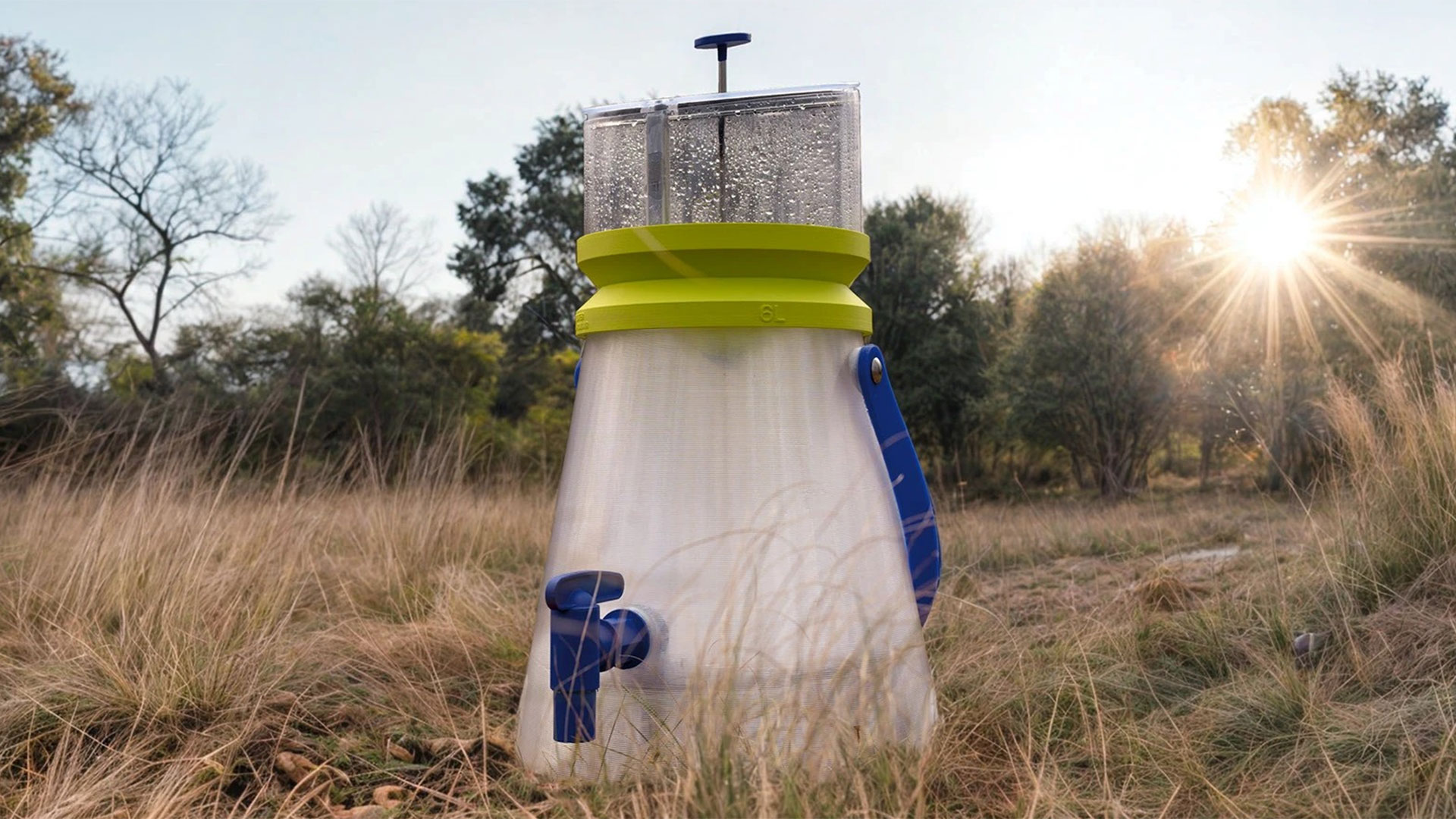
Water-from-Air Smart Collectors are innovative systems designed to extract clean, drinkable water directly from atmospheric moisture. These devices use a combination of advanced materials, renewable energy, environmental sensors, automation, and artificial intelligence to efficiently harvest water even in low-humidity environments. As climate change intensifies global water scarcity, these systems represent one of the most promising decentralized water-generation technologies of the 21st century. The concept is based on the fact that the atmosphere contains approximately six times more water than all the world’s rivers combined. Humidity exists everywhere, even in deserts, and smart collectors aim to tap into this massive resource. Unlike traditional desalination or groundwater extraction, water-from-air systems require no pipelines, no wells, and no access to surface water. They can operate in remote areas, off-grid communities, disaster zones, or urban regions affected by drought.
The functioning of these collectors relies on several core technologies:
Atmospheric Water Generation (AWG) Methods
A. Condensation-Based AWG
This method replicates what happens when cold surfaces collect dew. The system cools air below its dew point, causing water droplets to form.
Key components:
- Refrigeration units or thermoelectric coolers
- Hydrophobic collection surfaces
- Air intake fans
- Filters to remove dust and microbes
Smart collectors optimize cooling cycles using AI algorithms to reduce energy consumption. They detect optimal times—typically dawn and night—when humidity is higher and temperatures are lower.
B. Desiccant or Adsorption-Based AWG
This method uses special materials that absorb moisture from the air, even at low humidity levels.
Common desiccant materials:
- Silica gel
- Zeolites
- Lithium chloride
- Metal-Organic Frameworks (MOFs)
- Graphene-based composites
Smart sensors monitor saturation levels and activate a heating cycle to release the absorbed water. Since some MOFs can collect water at humidity levels below 20%, this technology works well in desert environments.
C. Hybrid AWG Systems
These combine cooling and adsorption technologies, improving efficiency and output. Hybrid systems can operate under a wider range of conditions and often consume less power.
Smart Features and Automation
Modern water-from-air collectors incorporate smart technologies for improved performance and lower energy use:
Environmental Sensors
They measure:
- Temperature
- Relative humidity
- Air quality (PM2.5/PM10)
- Dew point
- UV index
These sensors allow the system to decide when to run at maximum capacity or switch to energy-saving mode.
AI-Based Optimization
Artificial intelligence predicts humidity cycles, weather patterns, and peak production times. AI also helps:
- Adjust fan speeds
- Optimize desiccant regeneration
- Reduce energy waste
- Manage water storage levels
- Prevent overheating
IoT Connectivity
Smart collectors use:
- Wi-Fi
- Bluetooth
- GSM or satellite connections
This enables remote monitoring through mobile apps, including:
- Daily water output
- Filter health
- Energy consumption
- Real-time weather data
- Maintenance alerts
Renewable Energy Integration
Most devices run on:
- Solar panels
- Battery storage systems
- Low-voltage DC power
This makes them ideal for off-grid and remote locations.
Water Purification and Safety
Even though AWG produces relatively clean water, smart collectors add filtration to ensure safety. Typical purification stages include:
- Air filtration: removes dust, pollutants, bacteria.
- UV-C sterilization: kills microbes.
- Activated carbon filters: remove odors, volatile organic compounds, and chemicals.
- Reverse osmosis (in some systems): for ultra-pure water.
- Mineralization cartridges: add essential minerals for taste and health.
The result is clean, safe drinking water that often surpasses bottled water standards.
Applications
Water-from-air smart collectors are versatile and beneficial in many settings:
A. Residential and Urban Use
Home units can produce between 5–50 liters per day. They serve as emergency water sources during shortages, droughts, or infrastructure failures. Smart features let residents track their daily consumption and maintenance needs.
B. Rural and Remote Communities
Many villages lack reliable access to clean water. AWG collectors powered by solar energy can provide a sustainable, decentralized supply without needing complex infrastructure.
C. Disaster Relief
After hurricanes, earthquakes, or floods, water supplies may be contaminated. Portable AWG devices can quickly provide safe water without relying on local sources.
D. Agriculture and Vertical Farming
Some farms use atmospheric water collectors to irrigate small crops or hydroponic systems. Smart sensors ensure optimal water delivery and monitor soil moisture.
E. Military, Research Stations, and Expeditions
In deserts, mountains, or remote field camps, AWG provides a reliable water source with minimal logistics.
Advantages
- Decentralized water production — no pipelines or wells needed.
- Scalable — from small 5L/day home units to industrial 10,000L/day systems.
- Environmentally friendly — no groundwater extraction or seawater brine discharge.
- Operates in diverse climates — even low-humidity regions with advanced materials.
- Portable and off-grid capable — ideal for emergencies.
- Monitored and controlled via smart systems — ensures efficiency and reduces maintenance.
Challenges
Despite strong potential, there are still limitations:
A. High Energy Consumption
Traditional condensing systems require significant power to cool air below dew point. Smart optimization reduces this but does not eliminate the challenge.
B. Cost
Advanced AWG units can be expensive to buy and maintain, especially those using advanced materials or large outputs.
C. Humidity Dependency
Although new materials allow low-humidity operation, extremely dry environments still limit productivity.
D. Maintenance
Filters, desiccants, and internal components require regular cleaning and replacement.
E. Production Variability
Water output fluctuates with daily and seasonal atmospheric changes.
Future Developments
The field is rapidly evolving. Future improvements may include:
- More efficient MOF and graphene materials
- AI-driven climate prediction
- Wireless solar charging
- Integration with smart homes and smart cities
- Larger industrial-scale AWG farms
- Improved low-temperature condensation technologies
- Cost reduction through mass production




Post Comment